Episode 6: Sakura Trees When They Blossom |
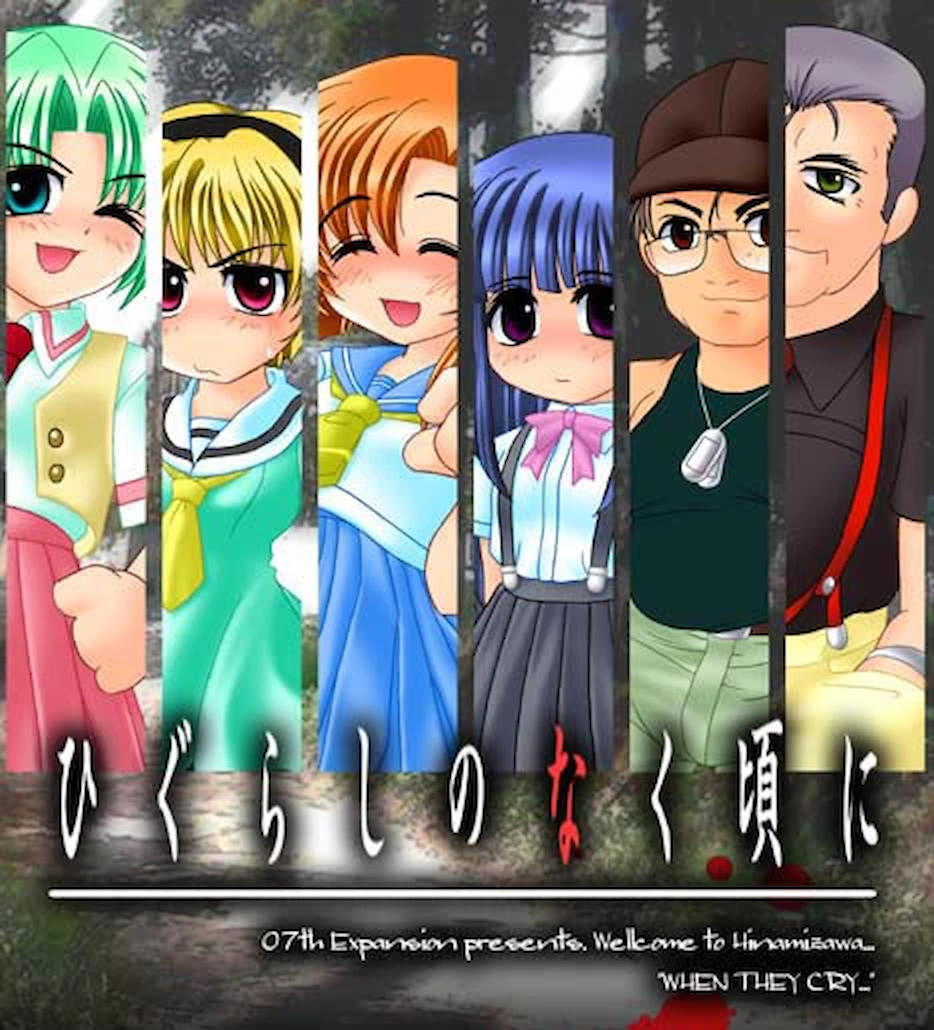
The name of the Episode itself is a parody of the visual novel series "Higurashi When They Cry".
Some of the elements of mystery and supernatural phenomenon seen in this Episode may also have
taken inspiration from the "Higurashi" series.
The connection between the Episode 6 title and "Higurashi When They Cry" becomes even more obvious
when you compare their Japanese names.
Higurashi's Japanese title is ひぐらしのなく頃に (Higurashi no Naku Koro ni), while the Japanese name
for Episode 6 is さくら樹の咲く頃に (Sakuraki no Saku Koro ni).
|
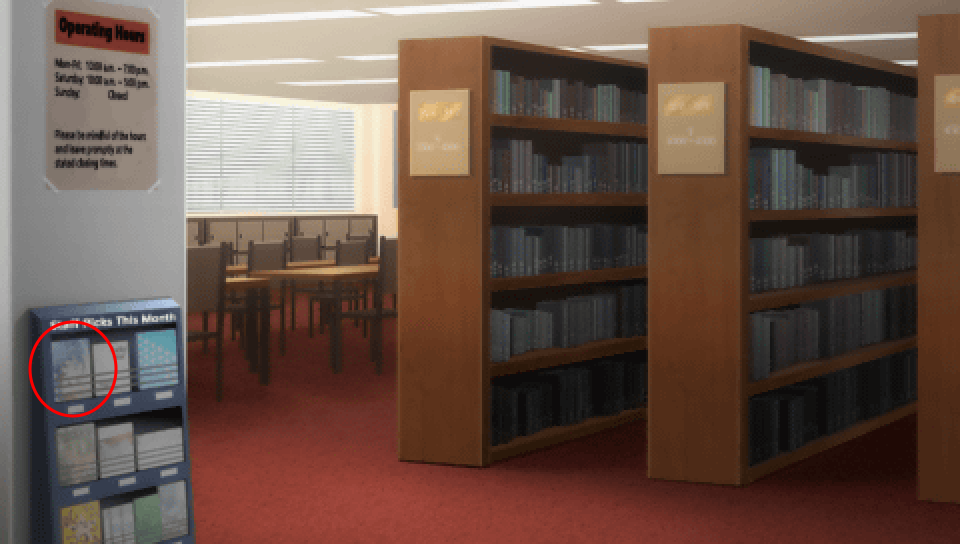
In the intro, one of the books on display at the library has the same cover art as the standard version
of the original PS2 release of Lucky Star: Ryouou Gakuen Outousai.
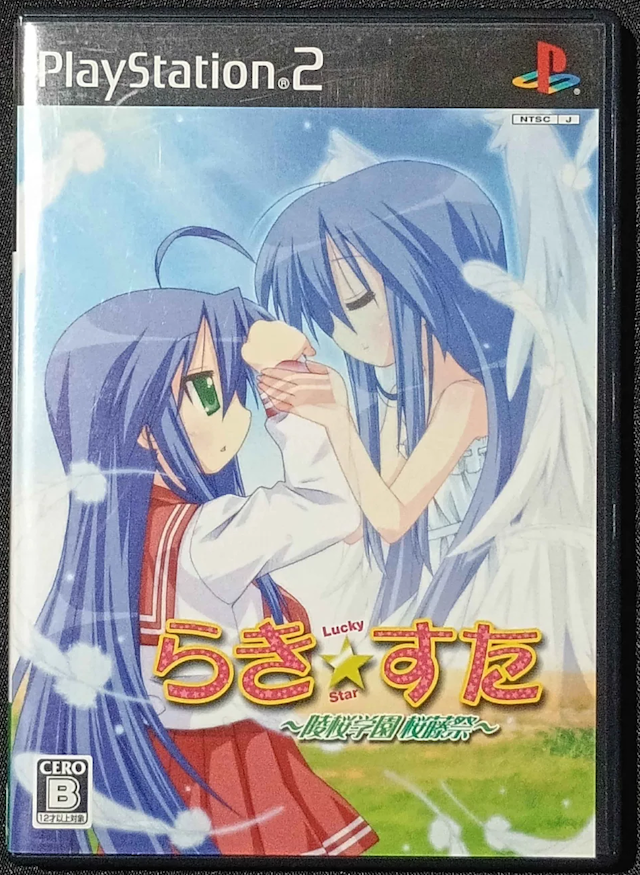
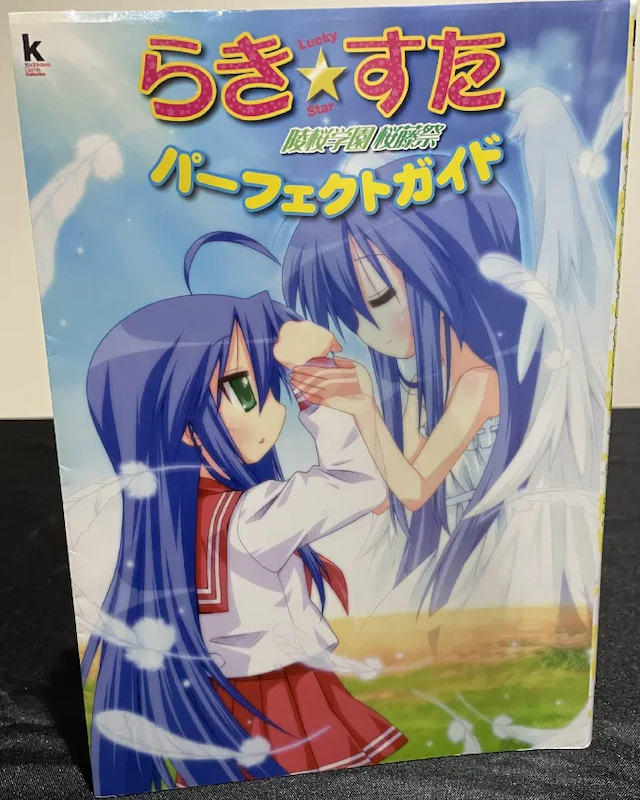
This same cover art was also used for the strategy guide for the PS2 version of the game, so it's possible
that the book is intended to be the strategy guide.
|
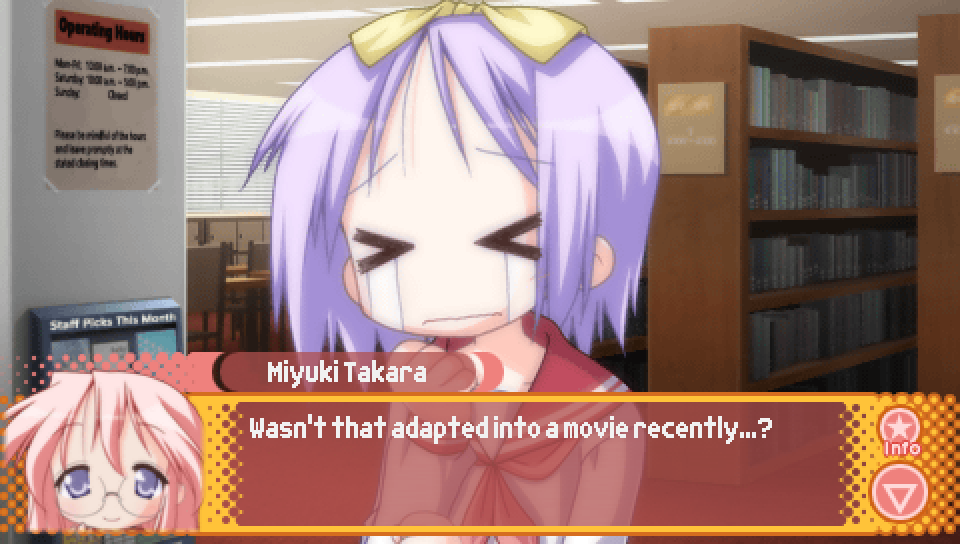
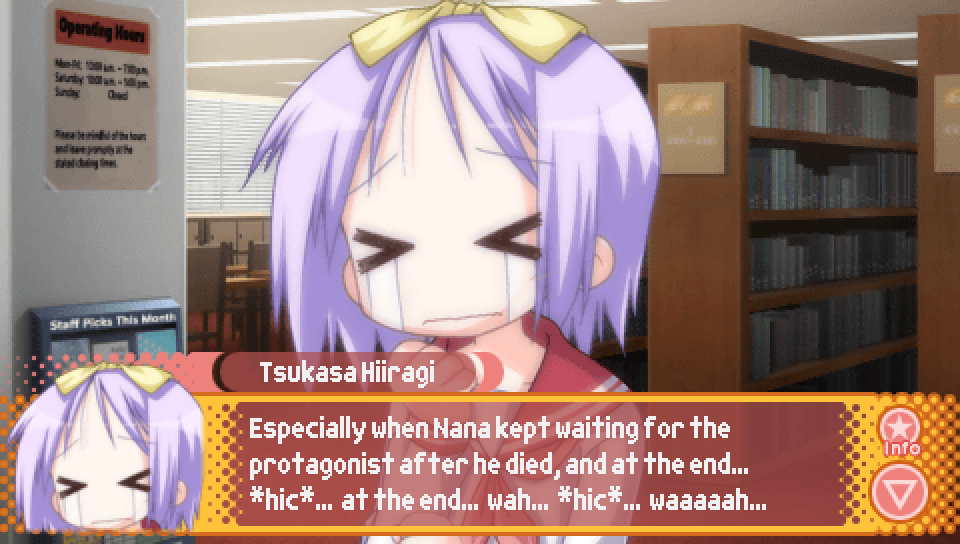
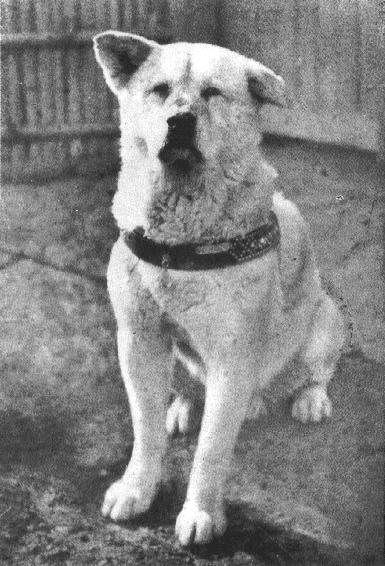
In the intro, the book that made Tsukasa cry is a parody of the famous story of Hachikou the dog.
Hachikou was a real Akita dog who was owned by a university professor by the name of Hidesaburou Ueno.
As the story goes, Hachikou would always wait at Shibuya Station in Tokyo for his owner to return home
from work. However, in 1925, Hidesaburou would die of an brain aneurysm while at work. Despite this,
Hachikou would continue to visit Shibuya Station daily until his own death in 1935, waiting for his
owner to return.
This story of great loyalty and waiting for a loved one to return is brought up in this intro scene
since it mirrors Kou's attempts to meet with Yamato seen in this Episode.
Additionally, the name of the dog in the parody version Tsukasa read, Nana, is simply taking the fact
that "hachi" in Japanese means eight, while "nana" means seven to create a different name that is still
connected to the original name of "Hachikou".
As for Miyuki's comment about it having been made into a movie recently, she is likely talking about the
2009 American film "Hachi: A Dog's Tale", which adapts the story using an American setting.

|
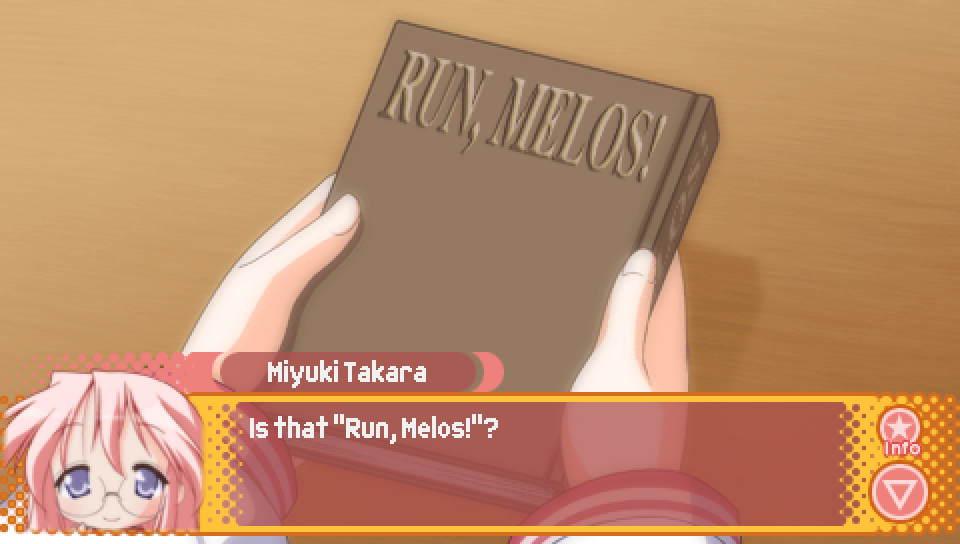
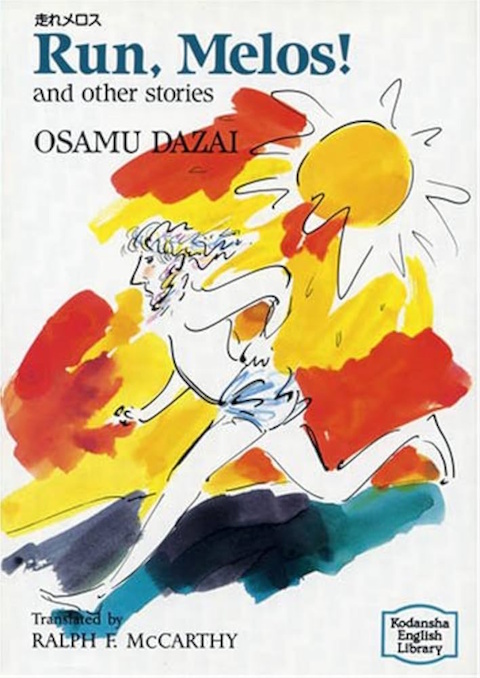
The other book shown in the intro, "Run, Melos!" is a real short story by Osamu Dazai.
Like Miyuki says during the scene itself, it is a story that is often used in language classes in Japan.
The story is about the protagonist, Melos, who attempts to kill the tyrannical king Dionysius, who is very distrusting
of other people and kills many people as a result of that distrust. Melos' assassination attempt ultimately fails,
and he is caught. After being caught, Melos is sentenced to be executed. However, Melos manages to convince the
king to postpone the execution by three days so that he can arrange a marriage for his little sister. This agreement
to postpone the execution comes at the cost of putting the life of Melos' friend Selinuntius on the line. Should Melos
return even a moment too late or not return at all, Selinuntius will be killed instead.
While Melos is successful in getting his sister and her fiance to marry, Melos suffers many hardships and challenges
during his return trip and ends up going through a period of apathy about his friend's fate. However, in the end
Melos perseveres and returns back just in time and asks Selinuntius to hit him for almost giving up on him.
Similarly, Selinuntius asks Melos to do the same, as he had doubted whether he would return. In the end, as a result
of the reactions of the onlookers at the trust shown between Melos and Selinuntius, Dionysius ends up letting
Melos and Selinuntius go free.
Similar to the story of Hachikou, this story is brought up in this intro scene to connect the story of "Run, Melos!"
to the promise made between Kou and Yamato and the hardships faced in staying true to that promise seen
in this Episode.
|
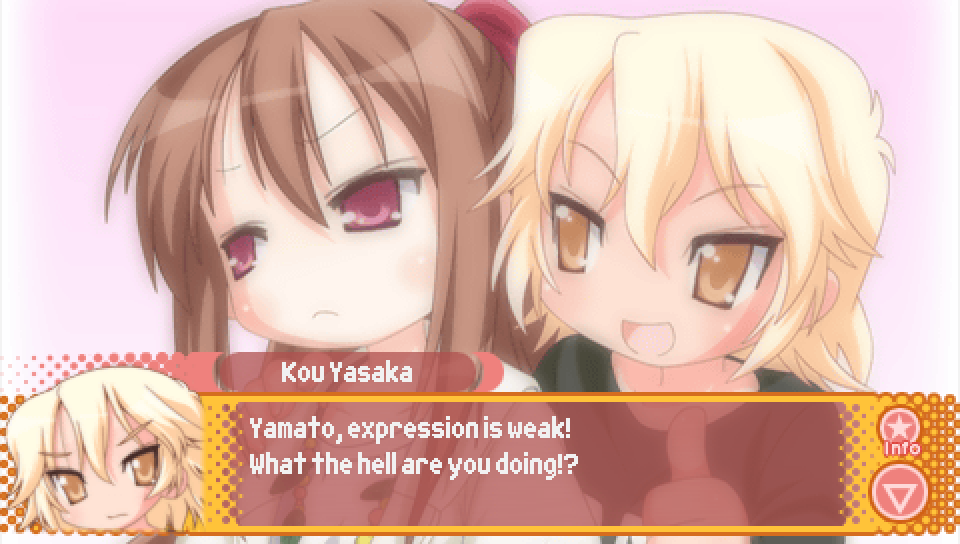
In the second intro scene, Kou says this line as she tries to get Yamato to smile for the picture she's
about to take of the two of them.
As discussed in the translator's notes for Episode 3, this is a reference to a notable moment from
episode 38 of "Mobile Suit Zeta Gundam", where character Bright Noa expresses frustration over their
barrage being too weak against the enemy sporting several gundam units that are new models.
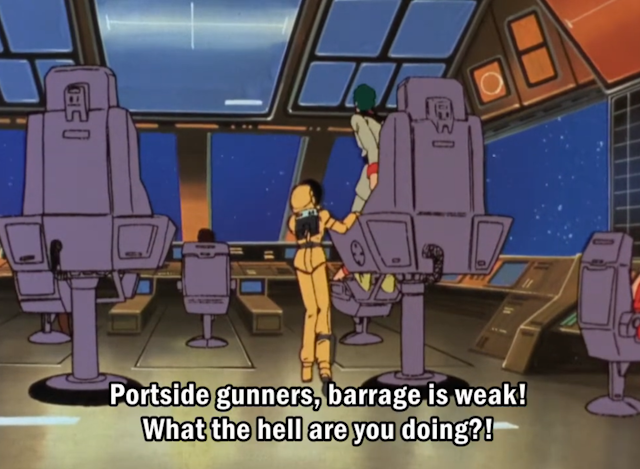
The moment in question can be viewed here:
https://www.youtube.com/watch?v=Edtz6ucE2uE&t=753s
|
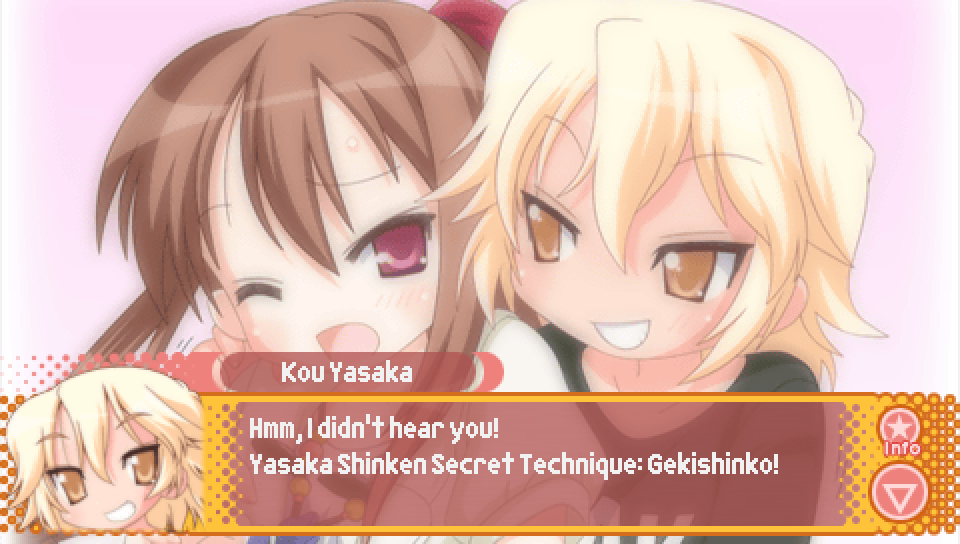
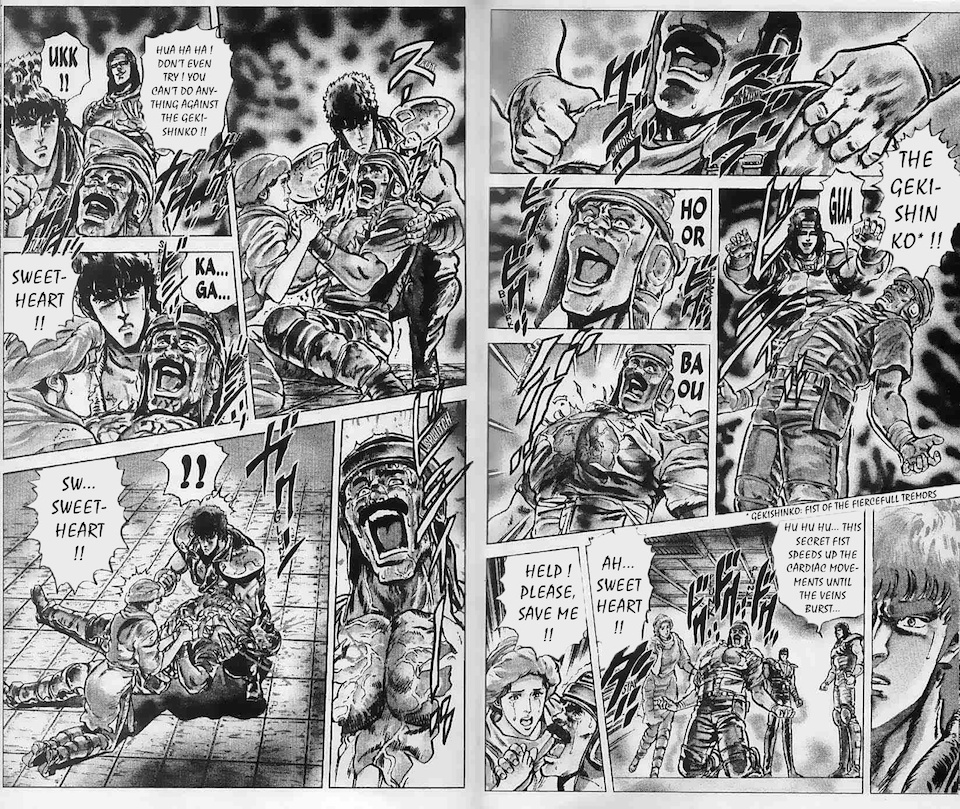
In the second intro scene, Kou says a line that remains mostly untranslated from Japanese as she tickles Yamato
to get her to smile, "Yasaka Shinken Secret Technique: Gekishinko!"
The "Yasaka Shinken" part is a play on the ancient martial art known as "Hokuto Shinken" featured in
"Fist of the North Star". It's the martial art used by the series' protagonists and revolves around
defeating one's enemies by channeling energy into 708 different acupressure points on the human body
in order to defeat the enemy from within. "Hokuto Shinken" is translated as "Divine Fist of the North Star",
and "Yasaka Shinken" is formed by simply replacing the "Hokuto" part with Kou's last name.
Hokuto Shinken has many "secret techniques" used by characters from the series, and one of them
is known as "Gekishinko", used in chapter 49 of the "Fist of the North Star" manga. It has the effect
of increasing one's cardiac movements to the point of rupturing their blood vessels. Kou is likely referencing
this secret technique in particular due to the placement of the hands on the upper arms of one's opponent
when using this secret technique, which is a similar location to where Kou's hands would be while
tickling Yamato, that being her armpits.
|
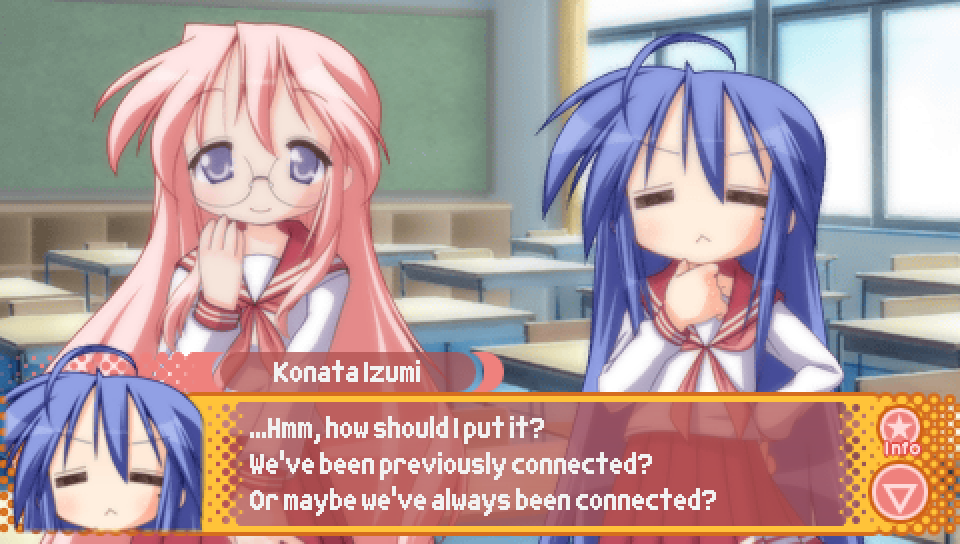
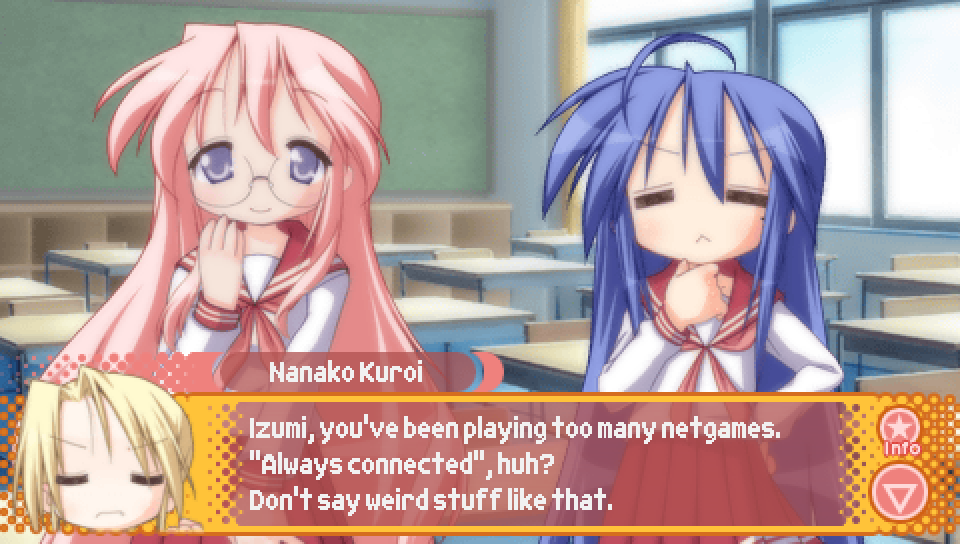
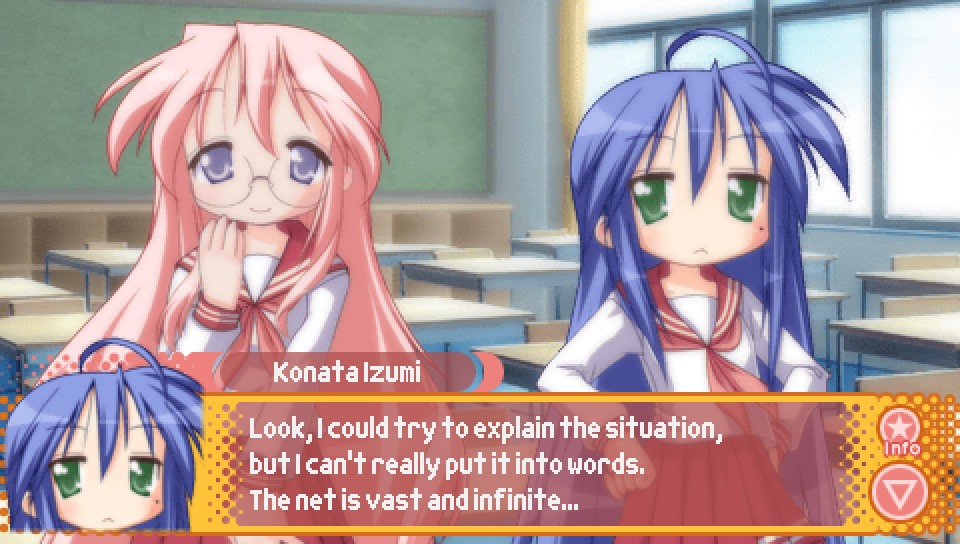
After the protagonist introduces himself to the class on the first day, Konata and Nanako
have the above exchange after Nanako questions how it is that he already is friends with
Konata, Tsukasa, and Miyuki.
Konata's words of having been "connected" as the explanation for how they know each other,
as well as the line "The net is vast and infinite" are in reference to the 1995 animated film,
"Ghost in the Shell".
Specifically, it's in reference to the film's ending, in which protagonist Motoko Kusanagi,
who is a cyborg with a fully robotic body but a human brain, has her mind merged with a
consciousness born out of a program wandering computer networks known as the "Puppet Master".
Moments after this merger, her robot body is almost entirely destroyed by military snipers seeking
to destroy the "Puppet Master", leading to Motoko's work partner, Batou, placing her in a new robot body
in order to save her.
When Motoko awakens in her new body and merged consciouness, she states that the consciouness inhabiting
the body is neither her nor the Puppet Master. This merged consciouness then decides to set out on her own
and the film ends with the merged consciouness saying the line "The net is vast and infinite" as she ponders
where to go, in reference to the network the concsciouness previously known as Motoko now has access to
due to the merger.
The idea here is that Konata is suggesting that the reason why she, Tsukasa, Miyuki, and the protagonist
all know each other is possibly due to them having a merged consciousness, similar to what happened to
Motoko and the "Puppet Master" in "Ghost in the Shell". The use of "The net is vast and infinite" is merely
used in order to make the connection to "Ghost in the Shell" explicit, due to it being a very famous line
tied to the film.
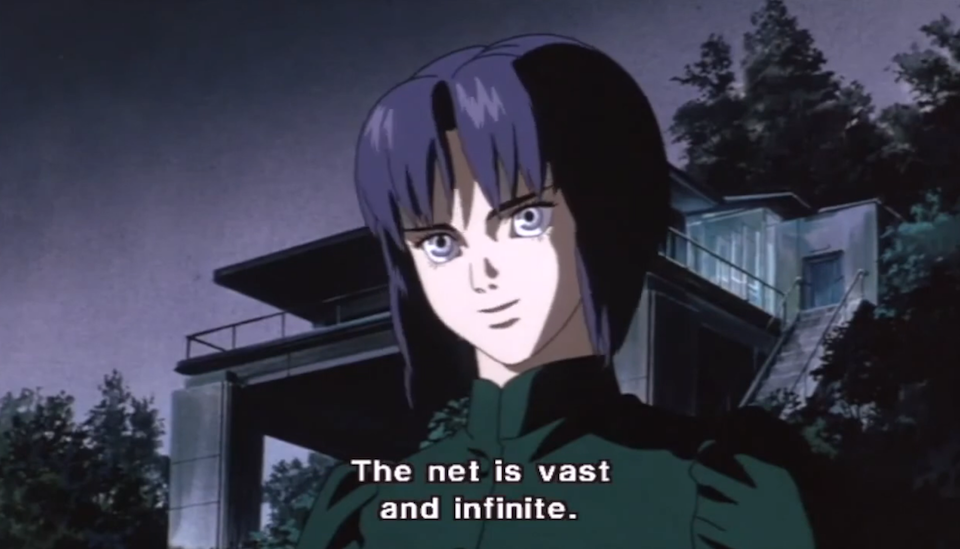
The ending scene from "Ghost in the Shell", showing the combined consciousness of Motoko and the "Puppet Master"
awakening to her new body can be viewed here:
https://www.youtube.com/watch?v=G9vvqLXqHaE
|
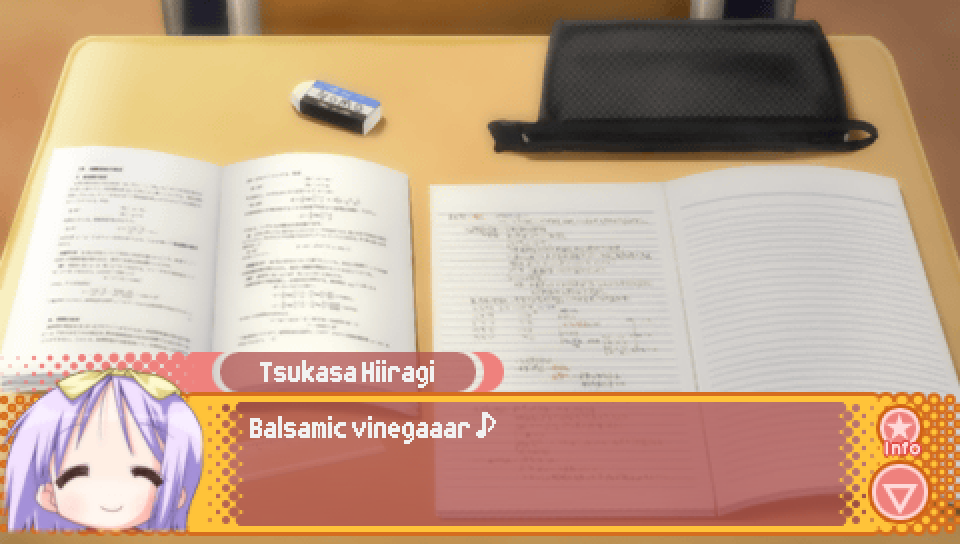
If the protagonist decides to look over at Tsukasa during class on the first day, she'll cheerfully
say "balsamic vinegar" to herself as she doodles while sat at her desk.
This is of course in reference to "balsamic vinegar" becoming a popular catchphrase
associated with Tsukasa due to the Lucky Star anime.
https://www.youtube.com/watch?v=_-Lb0JoIqms
Though Lucky Star: Ryouou Gakuen Outousai was developed largely independently of the Lucky Star anime,
the above scene from the anime managed to gain popularity so quickly that it was able to make
its way into the game, as seen with MADs such as this, releasing months before
Ryouou Gakuen Outousai's original release date:
https://www.nicovideo.jp/watch/sm679403
|
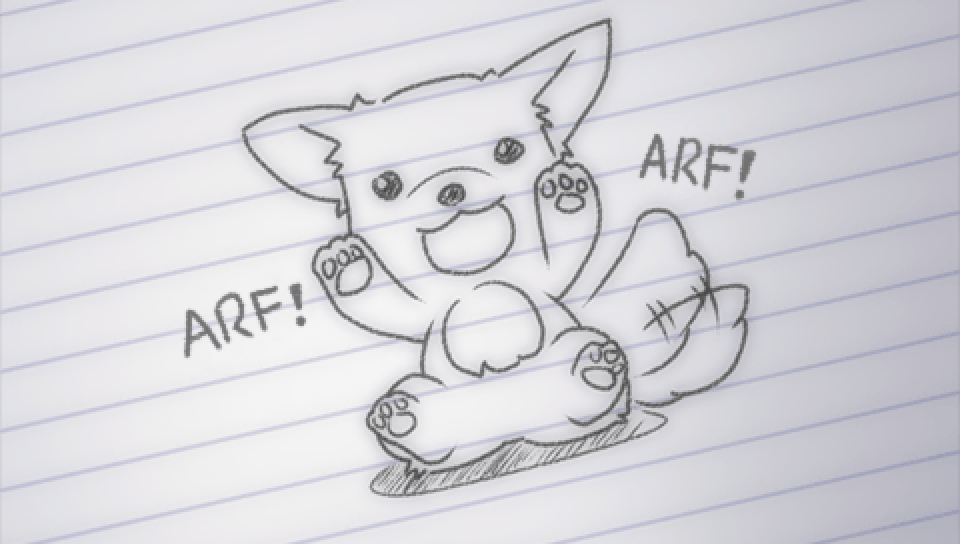
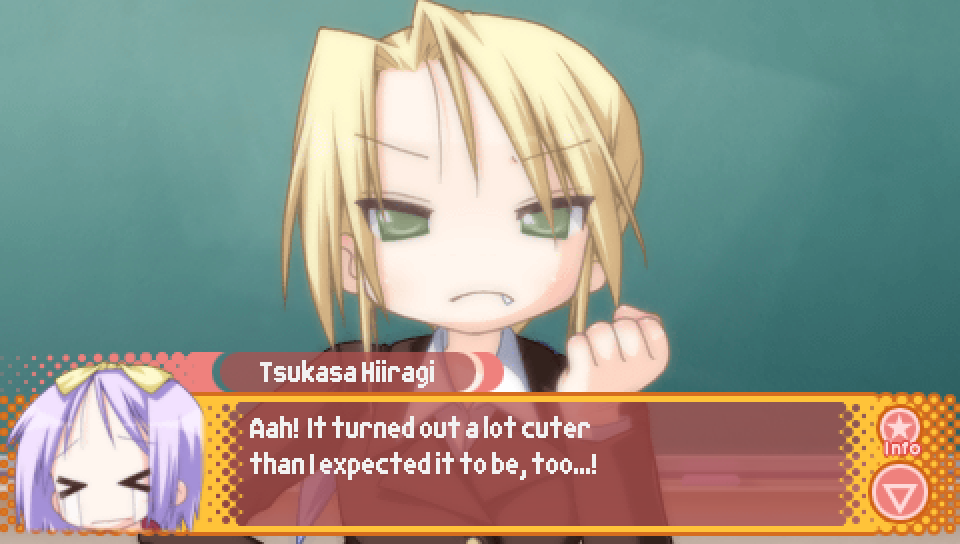
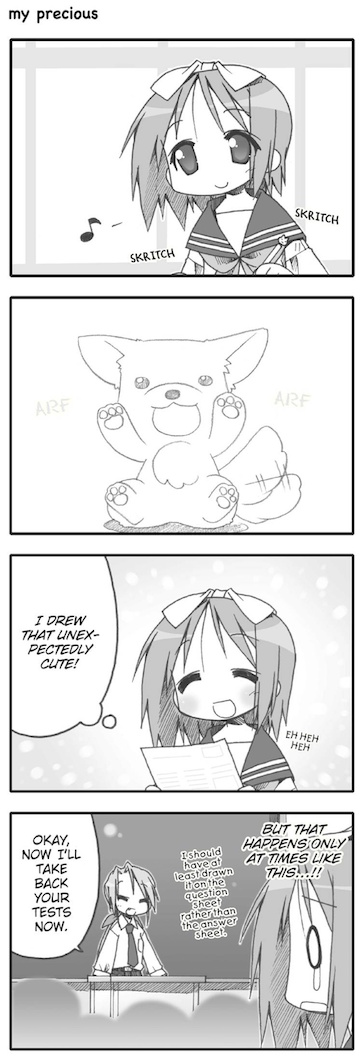
If the protagonist decides to look over at Tsukasa during class on the first day, she'll have
a drawing of a puppy she made confiscated.
This puppy drawing, as well as Tsukasa's remark that the drawing turned out cuter than she expected
are taken directly from the comic "my precious" from volume 5 of the Lucky Star manga,
in which Tsukasa draws the same puppy on one of the pages of a test.
|
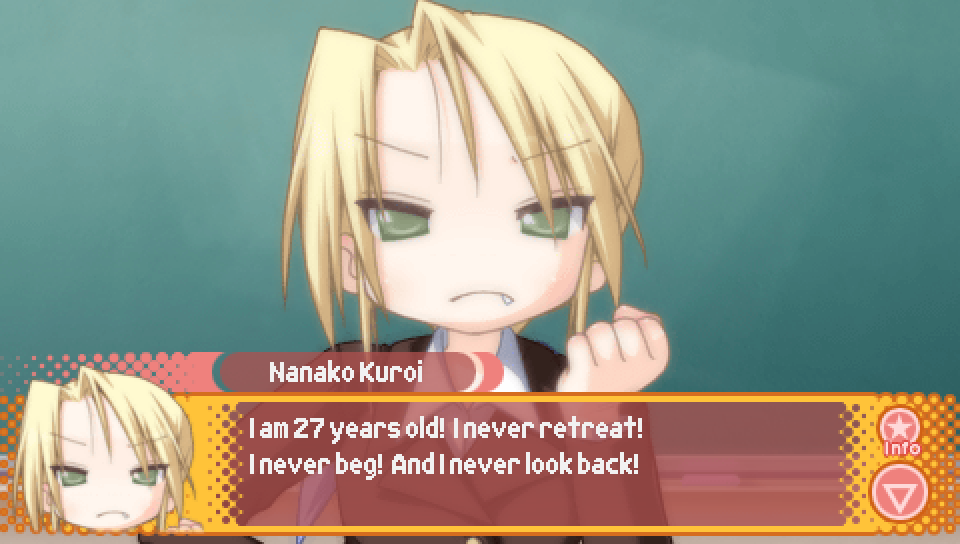
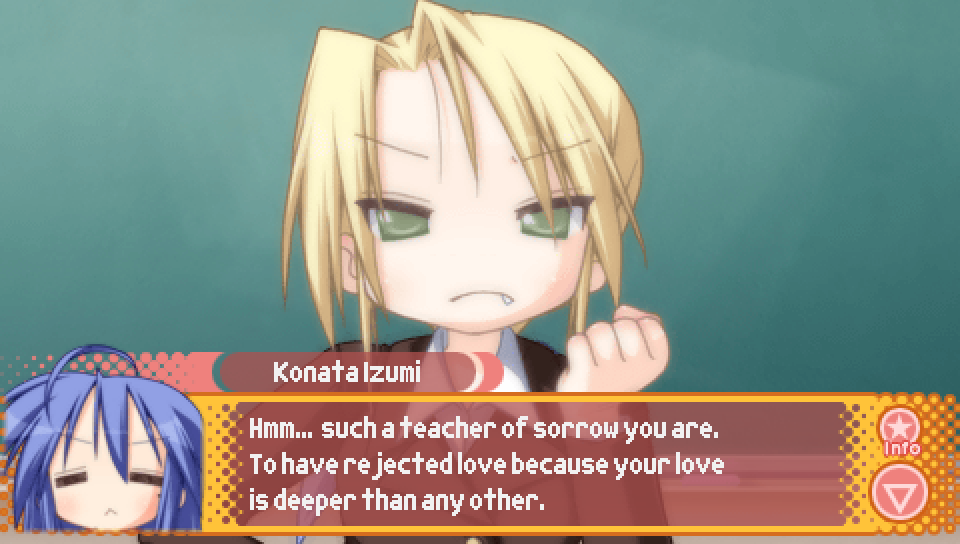
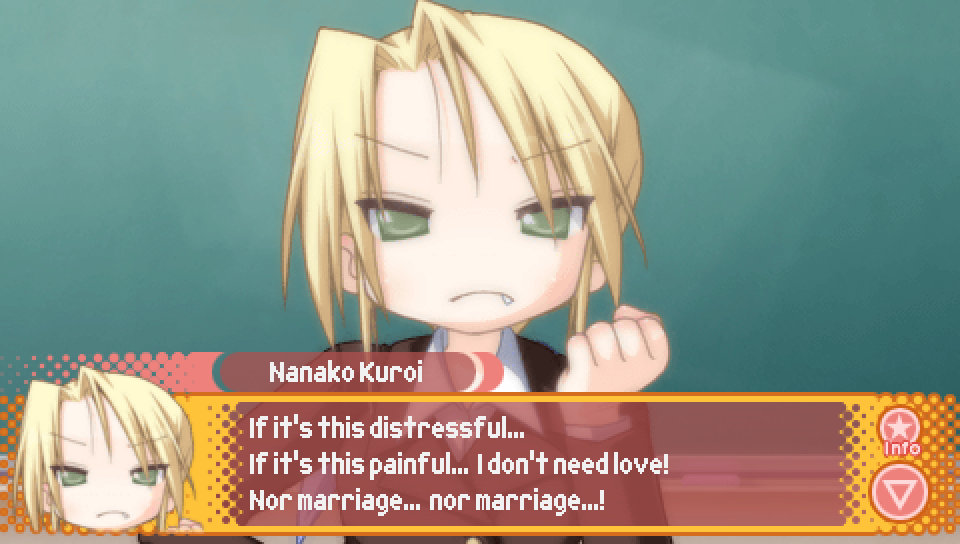
If the protagonist tells Kou to try asking a teacher for help in meeting with Yamato,
the above interaction between Konata and Nanako will occur after a misunderstanding where she thought
the protagonist was saying that she was "the worst", which spirals into her complaining about the fact
that she's still single.
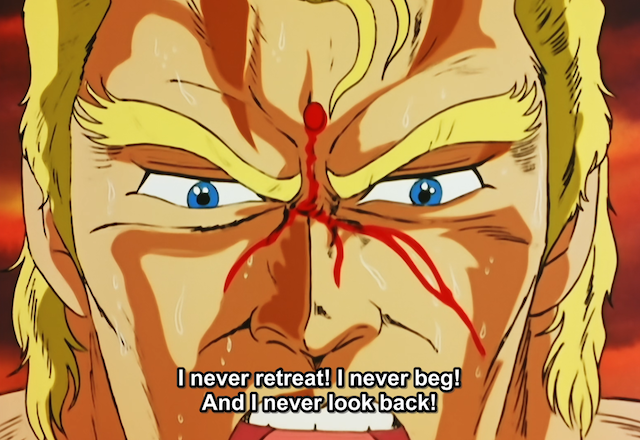
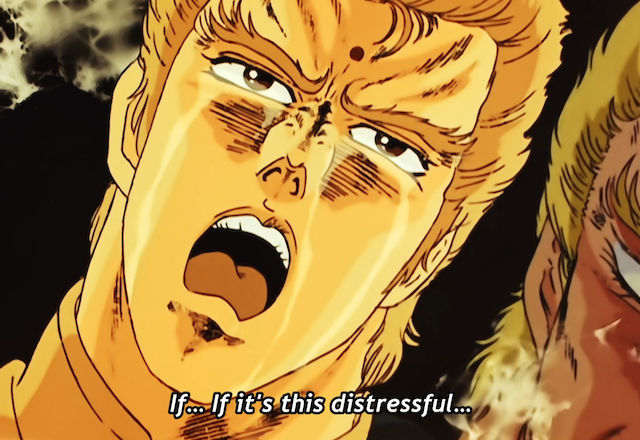
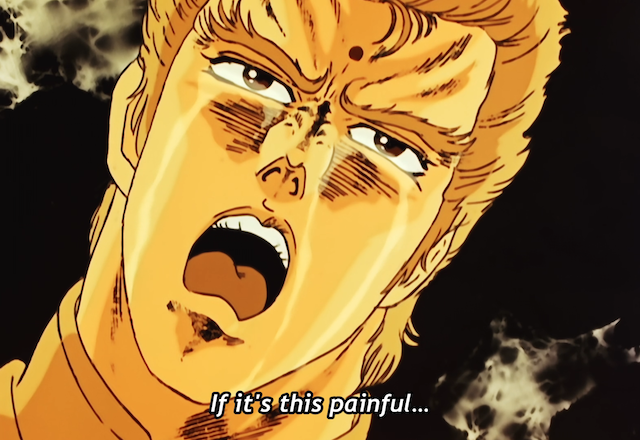
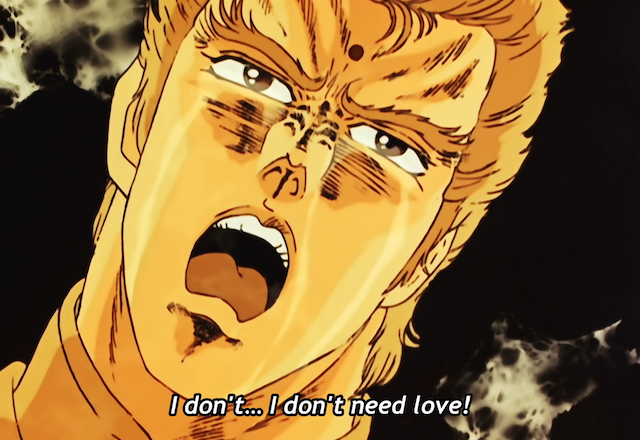
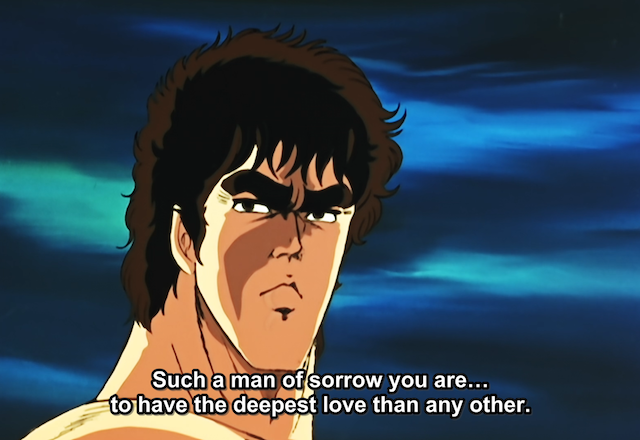
The above lines all come from the series "Fist of the North Star". Specifically, in the battle between
Kenshiro and Souther, which can be seen in episodes 67 and 68 of the "Fist of the North Star" anime adaptation.
Konata's line is from a line said by Kenshiro, while Nanako's lines are from Souther.
The first line from Nanako in which she says that she "never retreats, never begs, and never looks back"
comes from a line Souther says near the end of the fight before performing a last-ditch effort to attack Kenshiro.
Nanako's other line of how she doesn't need love if it's something so painful and distressing
comes from a flashback in which it's shown how Souther used to have a teacher and adoptive father named
Ohgai, who trained Souther to be the successor to the martial art "Nantou Seiken". However, as there can only
be one successor, and successorship is passed down by having the former successor be killed by the new successor,
Ohgai tricks Souther into killing him. Upon realizing what he had done and due to the great love he had for Ohgai,
Souther finds himself completely broken and shouts the lines in question (aside from the part about marriage).
From then on, Souther acts in opposition to love as a concept, believing it to only be a means of bringing about
future suffering.
Lastly, as for Konata's line, this comes from after Kenshiro defeats Souther with a merciful attack that will allow
Souther to die in a less painful way. Accepting his defeat, Souther decides to spend his final moments beside the
grave of his adoptive father, renouncing his opposition to love and embracing his love for Ohgai. At the sight of this,
Kenshiro says the line in question, showing sympathy for Souther, as he recognizes that his opposition to love after
Ohgai's death was simply a consequence of the fact that Souther's love for him was greater than any other.
|
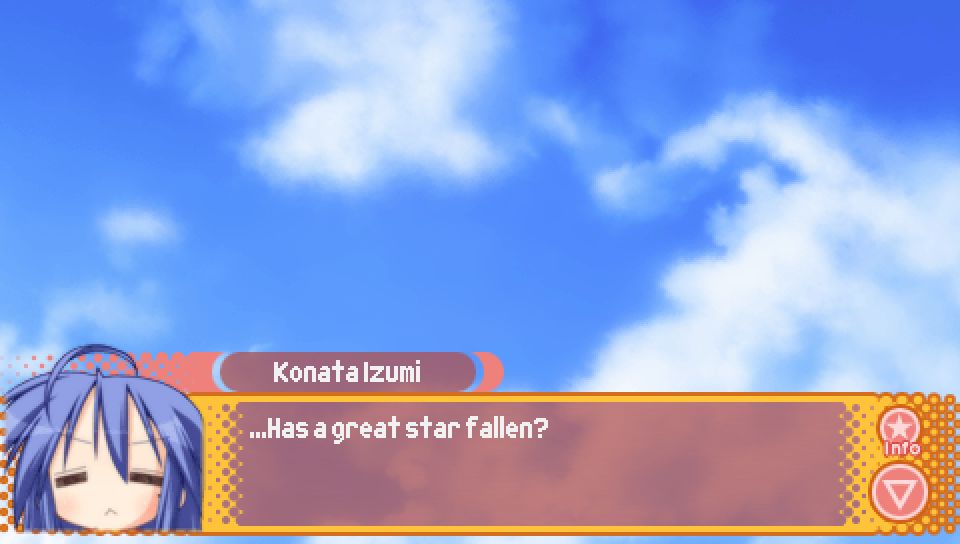
Following the above "Fist of the North Star" reference, Konata says this line before the scene transitions away.
While I couldn't find any direct connection to a line from "Fist of the North Star", I do believe this is also meant
to tie in to the previous references to the Souther fight from that series.
Since Souther dies after his fight with Kenshiro, and given that Souther was the successor to the martial art of
"Nantou Seiken", which translates to "Sacred Fist of the South Star", Konata's line is closing off the Souther
references by referencing Souther's death as being the fall of a great star (i.e. the South Star).
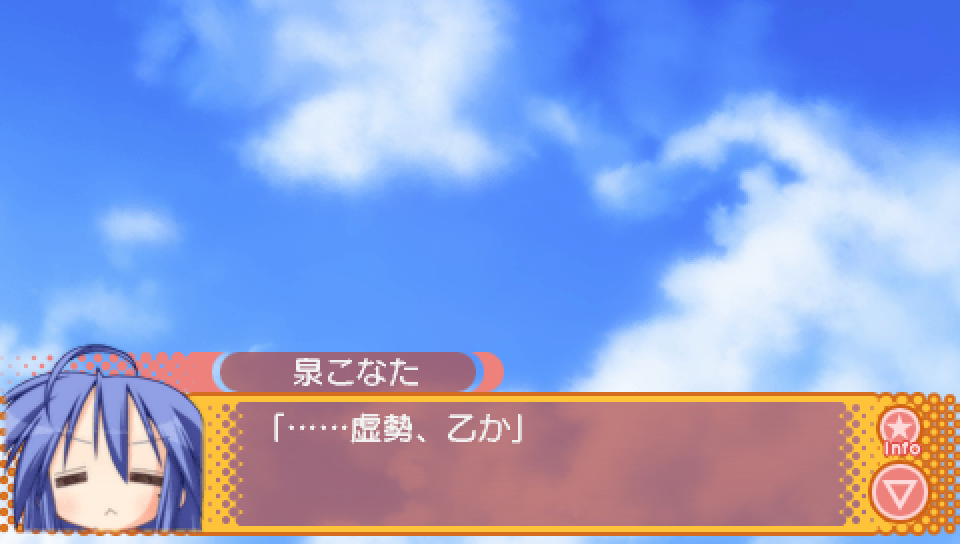
Additionally, there is an element of this line that is unfortunately lost in translation from Japanese to English.
In Japanese, there is the expression 巨星墜つ (kyosei otsu) which literally means "the fall of a great star" but can also
mean the death of a great person. One way to transcribe the "kyosei otsuka" that Konata says in the voice acting for
this line is this expression being used as a question with the addition of "ka" at the end. In that context, it ties
into the previous Souther references in the way just described. However, the writers decided to create a
double meaning by instead having the line transcribed as 虚勢、乙か (kyosei otsuka). While it is pronounced the same,
it means "nice bluff", referencing how Nanako putting on a front of having no need for love is just that,
and that in reality she desperately wishes she could be married.
Unfortunately, there wasn't a good way to include this double meaning in the English, so I ultimately chose
to preserve the "fall of a great star" interpretation of the line as it ties better with the scene overall.
|
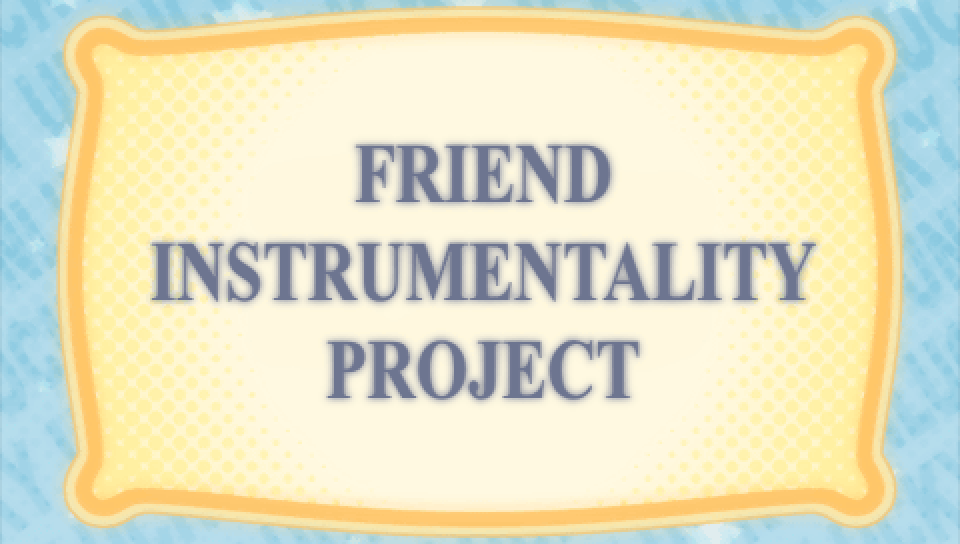
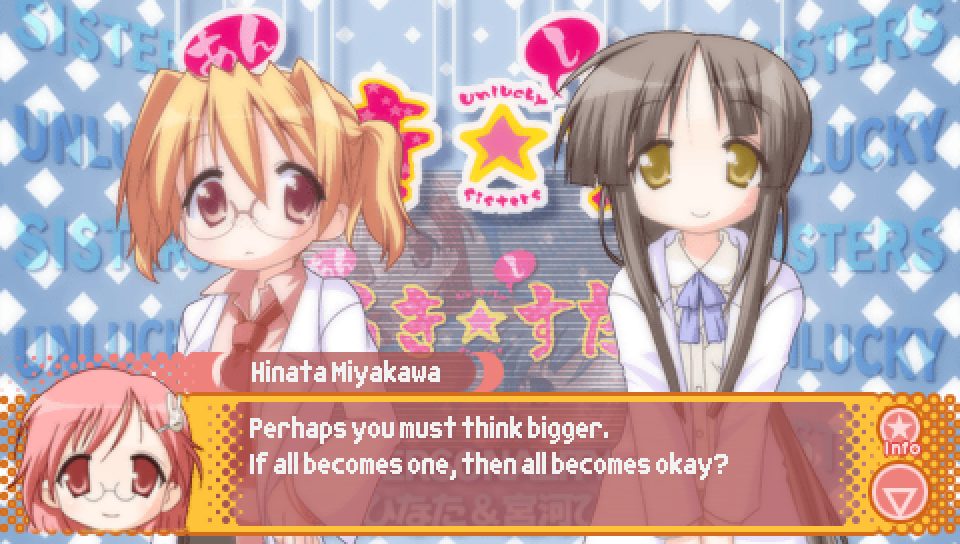
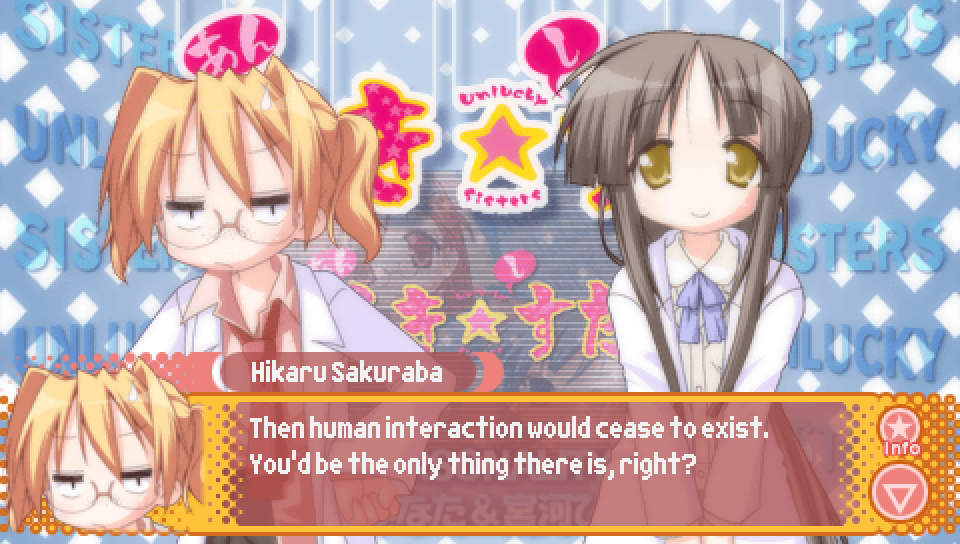
The name of the Unlucky★Sisters segment found in this Episode's version of Episode 0,
"Friend Instrumentality Project", is in reference to the "Human Instrumentality Project"
from the anime "Neon Genesis Evangelion".
One of the key parts of the "Human Instrumentality Project" is that it would result in all
of humanity merging into one existence, allowing for the flaws in one person to be complemented
by the strengths of other people to create an ultimate being. This is why Hinata goes on to suggest
that one possible solution to the challenge of getting along with others is for all to become one.
|
|